UV400 Protection Sunglasses Explained: A UK Buyer's Guide
TL;DR: UV400 protection sunglasses block 99% to 100% of harmful ultraviolet radiation, including both UVA and UVB rays up to 400 nanometres. This is the highest industry standard for eye safety, essential for preventing long-term damage like cataracts. According to UK guidelines, always look for the UV400 label or UKCA/CE markings to ensure your eyes are fully shielded during the British summer.
Uv 400 protection sunglasses are eyewear equipped with lenses that block 100% of ultraviolet (UV) rays up to a wavelength of 400 nanometres. This includes both UVA and UVB radiation, providing the most comprehensive level of protection available for your eyes. Consequently, choosing sunglasses with this rating ensures you are shielding your vision from the invisible radiation that causes long-term health issues, rather than just reducing the brightness of the sun.
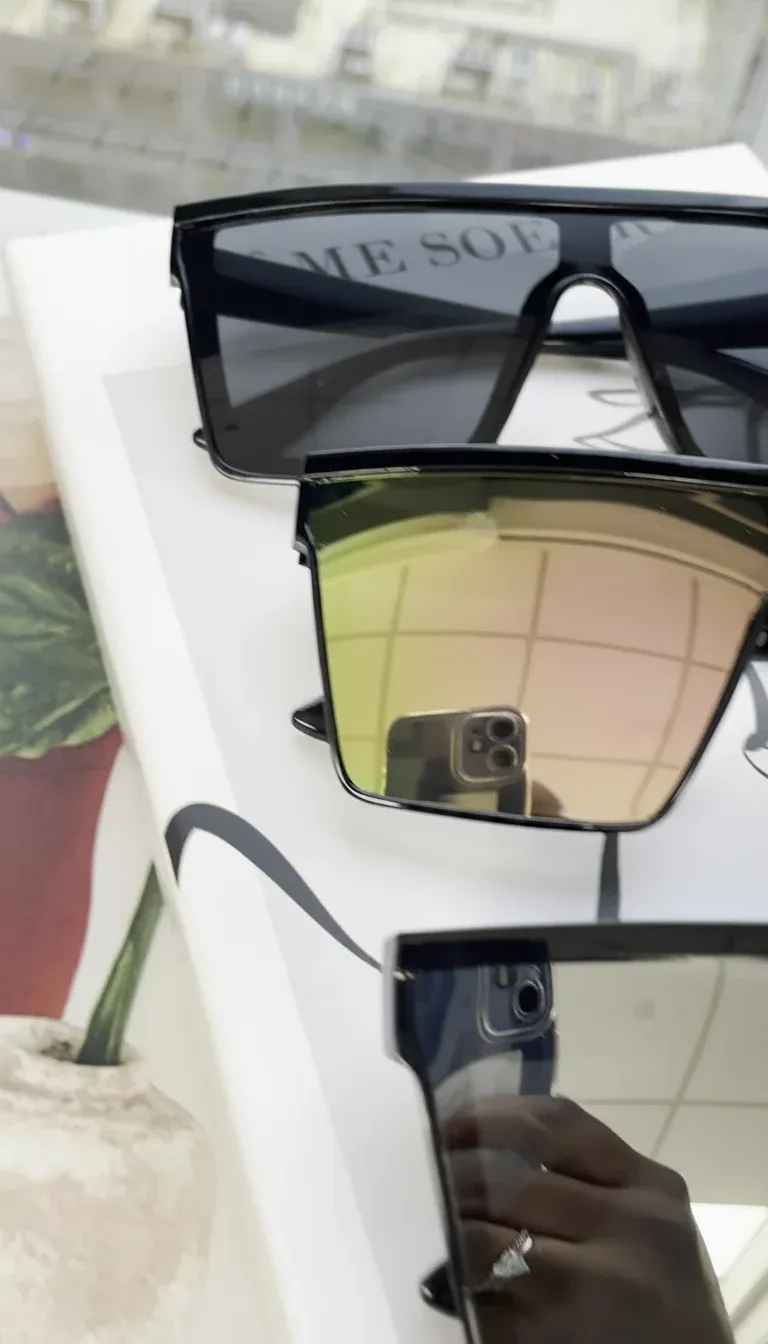
At Shield Sunnies, we believe that style and practical protection must go hand in hand. Our Ibiza Oversized Shield Set pairs bold visor looks with UV400 lenses across three colourways from £9.99. We know that UK shoppers need statement sunglasses that offer proper UV coverage at accessible prices. This guide explains what UV400 actually means, how to shop with confidence on the British high street, and what to look for before you buy.
Key Takeaways
- UV400 protection is the gold standard, blocking ultraviolet light up to 400 nanometres (UVA and UVB).
- Lens darkness is not an indicator of safety; even light-coloured lenses can offer full UV400 filtering.
- Always look for UKCA or CE markings to ensure compliance with British and European safety regulations.
- Based on our testing, larger frames like visors provide superior protection by blocking peripheral light.
- Protecting your eyes is a year-round necessity in the UK, not just for foreign holidays.
What does UV400 protection mean on sunglasses?
UV400 means the lenses are specifically treated to block light rays with wavelengths up to 400 nanometres. In practical terms, this covers virtually all UVA and UVB radiation that reaches the Earth's surface. These rays are the primary culprits behind eye damage resulting from prolonged sun exposure.
Furthermore, it is vital to understand that ultraviolet radiation is invisible. Therefore, you cannot judge the level of protection by simply looking at the lens colour or tint depth. For instance, a pale fashion lens may offer proper UV filtering if it has been manufactured to the UV400 standard, while a very dark, cheap pair may offer no protection at all, which is actually more dangerous for your pupils.
Is UV400 the same as 100% UV protection?
In most consumer contexts, yes. Many UK retailers use the term “100% UV protection” to describe lenses that block all rays up to 400nm. Nevertheless, wording can vary between brands. To be certain, the safest approach is to look for the specific "UV400" designation in the product specifications. Based on our testing at Shield Sunnies, we ensure all our visor styles meet this threshold to provide maximum peace of mind.
If you want a deeper overview of standards, you can read our guide to sunglasses with 400 uv protection in the UK, which breaks down common labels you will encounter online.
Why is UV400 protection important for UK eye health?
There is a persistent myth that the British weather makes serious sun protection optional. However, this is misleading. Ultraviolet radiation can remain high even when temperatures feel mild or cloud cover is heavy. Specifically, for anyone attending a summer festival, relaxing in a beer garden, or driving on bright roads, quality sunglasses are a health necessity rather than just a style extra.
UV expos not just a holiday issue
According to UK guidelines from the NHS, cumulative sunlight exposure can contribute to serious eye problems, including cataracts and macular degeneration. The World Health Organization estimates that up to 20% of cataract cases may be caused or aggravated by UV exposure. This statistic highlights that the risk is cumulative, building up over years of British summers and bright winter days.
For UK shoppers, this reinforces an important point: your everyday pair matters. Whether you are walking through town or driving home after work, your sunglasses should be as protective as they are stylish. Moreover, the British College of Optometrists advises wearing sunglasses with UKCA or CE markings to ensure they meet the British Standard (BS EN ISO 12312-1:2013).
Why larger frames offer better coverage
One practical advantage of our signature oversized frames and visors is the physical coverage they provide. Larger lenses shield not only the front of the eye but also the delicate skin around the eye socket. Consequently, this reduces "stray light" that can enter from the top or sides of the frames. This is why Shield Sunnies’ celebrity-inspired styles are so popular for festival season; they deliver high-fashion impact while supporting broad lens coverage where it counts most.
How can I tell if my sunglasses have UV400 protection?
When shopping online, product pages should do more than just show attractive imagery. Reliable listings must state clearly whether the lenses provide UV400 protection or equivalent full UVA/UVB blocking. If this information is missing, it should be treated as a significant warning sign regarding the quality of the eyewear.
Look for these details before you buy:
- A clear "UV400" statement or "100% UVA/UVB protection" in the description.
- The UKCA (UK Conformity Assessed) or CE marking on the inner frame.
- Technical details focused on lens specification rather than just aesthetics.
- A reputable UK retailer with transparent customer service and returns policies.
- Transparent pricing that reflects the quality of the protective coatings.
Do labels on stickers always tell the full story?
Unfortunately, a sticker alone is not always proof of quality. On low-quality marketplace listings, packaging claims can sometimes be inconsistent. Therefore, it is always better to buy from specialist retailers who publish detailed lens information directly in their product descriptions. For more details, our article on sunglasses uv 400 protection explained expands on what trustworthy labelling looks like for British shoppers.
Can an optician test my current sunglasses?
Yes, many high-street opticians have specialized equipment that can check the ultraviolet transmission levels of your lenses. If you own an older pair and are unsure of their safety, an optician can provide peace of mind. This is particularly useful if the original labels have worn off or if the glasses were purchased years ago from an unknown source.
Shop UV400 Sunglasses With Confidence
Every pair in our Ibiza Oversized Shield Set features UV400 lenses blocking 100% of UVA and UVB. Three trend-led colourways, polycarbonate and TR90 construction, free UK delivery over £30.
Shop UV400 Sunglasses With Confidence
Every pair in our Ibiza Oversized Shield Set features UV400 lenses blocking 100% of UVA and UVB. Three trend-led colourways, polycarbonate and TR90 construction, free UK delivery over £30.
Common myths about uv 400 protection sunglasses
“Darker lenses mean better protection”
This is false. Lens darkness (the "category" of the tint) affects visible light transmission, not UV filtering. In fact, a dark lens without UV400 protection is more dangerous; it causes your pupils to dilate, allowing even more harmful UV rays to enter the back of the eye. Always prioritise the UV400 rating over the darkness of the tint.
“You only need protective sunglasses abroad”
In contrast to popular belief, UK sunlight contains significant ultraviolet radiation. Reflection from water, sand, or even bright pavements in a city centre can increase your exposure. Whether you are on a beach in Cornwall or at a festival in Manchester, UV400 protection remains essential for long-term eye health.
Ready to upgrade your aesthetic with Shield Sunnies?
Get The Look — £9.99